

Traveling to a new country is always exciting, but it can also feel a little stressful when you do not understand the local language. I have sometimes wondered how I would order food, ask for directions, or communicate with people in a place where I could not understand most of the words. However, I have learned that language differences do not have to stop anyone from exploring the world. Travel Without Speaking the local language is possible with a little preparation, patience, and the right tools.
Over time, I have discovered that a friendly smile, a translation app, and a few simple words can make a big difference. I do not think anyone needs to speak fluently to enjoy an international trip. Here are some practical ideas that can make traveling easier and more enjoyable.
1. Learn a Few Basic Local Words
Before visiting a new country, I like learning a few common words and expressions. Simple phrases such as hello, thank you, please, excuse me, and goodbye can make everyday interactions much easier. I do not try to become fluent before traveling because that would take too much time. Instead, I focus on words that I might actually need during my trip. Learning basic expressions makes traveling without speaking fluently much easier while also showing respect for the local culture. Even a small effort can create a friendly connection with people. Travel Without Speaking the local language becomes easier when I learn a few basic everyday phrases.
2. Use a Translation App on Your Phone
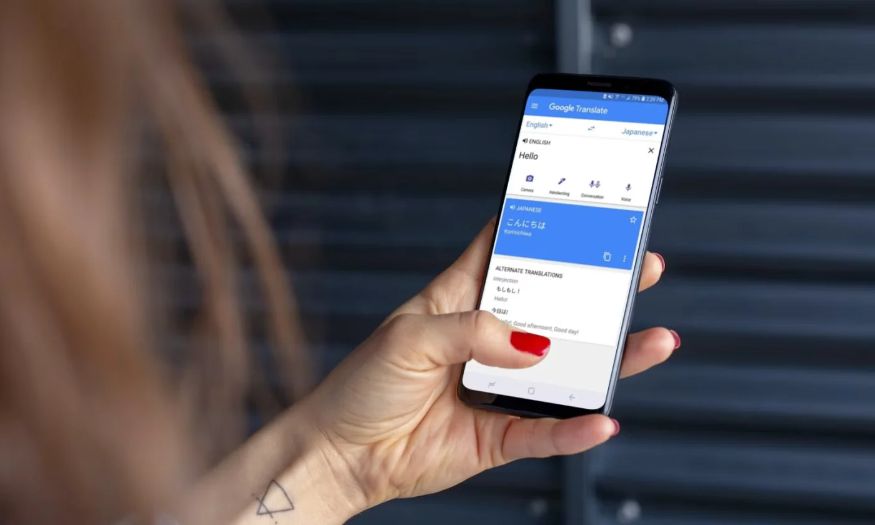
A translation app can be one of the most useful travel tools when visiting a country where I do not understand the language. I recommend downloading a reliable app before leaving home so it is ready whenever needed. Many translation apps allow users to translate spoken conversations, written text, and even signs using a phone camera. These features are especially helpful when ordering food or asking for directions.
Technology makes traveling without speaking the local language less stressful because it helps me communicate during everyday situations. I also download offline language packs whenever possible. Travel Without Speaking is much easier when I have a reliable translation app on my phone. For more helpful advice, check out this guide on Ways to Travel Without Knowing the Language
3. Download Offline Maps and Language Tools
Internet access is not always available when traveling, especially when exploring remote areas or using public transportation. That is why I prefer downloading important maps and translation tools before starting my journey. Offline maps help me find hotels, restaurants, transportation stations, and popular attractions without needing a constant internet connection.
Having these resources saved on my phone gives me more confidence when exploring unfamiliar places. Preparing offline tools makes Travel Without Speaking much easier because I do not have to depend completely on mobile data or Wi-Fi. Travel Without Speaking becomes more convenient when I prepare offline maps and translation tools.
4. Keep Your Hotel Address Written Down
One thing I always consider important when traveling is keeping my hotel address somewhere easy to access. I save it on my phone and keep a screenshot in case my internet connection stops working. If I cannot explain where I want to go, I can simply show the address to a taxi driver or someone who can help me.
I also like having the hotel name written in the local language when possible. This simple preparation makes Travel Without Speaking easier and reduces the stress of finding my way back after a long day of exploring. Travel Without Speaking is less stressful when I keep my hotel address ready to show others.
5. Use Pictures to Communicate

Pictures can explain many things when words are not enough. If I am trying to order a particular meal, find a product, or show someone where I want to go, displaying a picture can make communication much easier. I sometimes keep screenshots of important locations, food items, and booking details on my phone. Gestures and visual signs can also help when explaining simple needs.
I have found that people often understand what I mean when I show them something rather than trying to pronounce unfamiliar words. Using pictures is a helpful trick for traveling without speaking the local language confidently. Travel Without Speaking becomes easier when I use pictures to explain what I need.
6. Choose Accommodations With Helpful Staff
When booking accommodation, I prefer places with good reviews that mention friendly and helpful staff. Staying somewhere with employees who speak English or another language I understand can make the entire trip easier. Hotel staff can help with directions, transportation, restaurant recommendations, and other everyday questions.
Before booking, I usually check guest reviews and available communication options. Having someone available to assist me makes Travel Without Speaking less challenging, especially during the first few days in an unfamiliar destination. Travel Without Speaking feels more comfortable when hotel staff can communicate in a language I understand.
7. Be Patient and Use Simple Gestures
Communication does not always require complicated sentences. Sometimes, a smile, a nod, or a simple hand gesture can help explain what I need. I try to speak slowly and avoid using long sentences when communicating with someone who does not understand my language. I also pay attention to the other person’s reactions so I can understand whether my message is clear.
Being patient is important because misunderstandings can happen to anyone. A calm attitude makes traveling without speaking the local language more comfortable and helps me enjoy interactions with local people. Travel Without Speaking requires patience, friendly gestures, and a positive attitude.
8. Save Important Travel Information

I like keeping important travel details organized before leaving for a trip. These include hotel reservations, flight information, transportation tickets, emergency contacts, and attraction bookings. I save digital copies on my phone and keep screenshots of essential information for quick access.
This is particularly helpful when I need to show a booking confirmation to someone who does not understand my language. Keeping everything organized makes Travel Without Speaking easier because I can share important information without explaining everything verbally. Travel Without Speaking becomes easier when I keep my important travel information organized.
9. Join Guided Tours and Local Activities
Joining a guided tour can make exploring a new destination much easier. Many tour companies offer guides who speak English or other commonly understood languages. I enjoy guided activities because they help me learn about local history, culture, and interesting places without worrying too much about communication. Group tours can also provide opportunities to meet other travelers and share experiences.
Before booking, I always check the language offered by the guide. Choosing suitable activities makes Travel Without Speaking the local language less difficult while allowing me to enjoy everything a destination has to offer. Travel Without Speaking is less challenging when I join tours with guides who understand my language.
10. Learn How to Use Public Transportation
Public transportation can feel confusing when station names, announcements, and signs are written in an unfamiliar language. Before using buses, trains, or metro services, I like checking routes and schedules online. I also save screenshots of the stations where I need to get on and off. Some transportation apps provide useful directions and route information in English.
If I am unsure, I ask station staff or show them my destination on a map. A little preparation makes Travel Without Speaking easier and allows me to explore a city without relying on taxis for every journey. Travel Without Speaking becomes easier when I prepare transportation routes before exploring a new city.
11. Tips for Communicating While Traveling
Over time, I have realized that small preparations can make communication much easier during international trips. I do not expect every conversation to go perfectly, but having a few useful tools and habits helps me feel prepared. I especially like keeping essential information available offline and learning simple expressions before departure. Here are some practical tips I would suggest:
- Learn five to ten common local words before departure.
- Download a translation app and offline language packs.
- Keep your hotel address saved on your phone.
- Carry screenshots of important bookings and tickets.
- Use maps and pictures to explain destinations.
- Speak slowly and use simple sentences.
- Be polite and patient when asking for help.
- Choose guided tours with a language you understand.
- Keep emergency contacts available offline.
- Avoid assuming everyone understands English.
Following these suggestions makes Travel Without Speaking the local language less stressful and helps create a smoother travel experience. These simple Travel Without Speaking tips can make communication easier during international trips.
12. Embrace the Experience and Enjoy the Journey

I believe traveling is about discovering new places, meeting different people, and learning about cultures that may be completely different from our own. Not understanding the local language might feel challenging at first, but it can also become an interesting part of the adventure. I have learned that people are often willing to help when we approach them politely and make an effort to communicate.
Instead of worrying about every conversation, I prefer staying open-minded and enjoying the experience. Traveling without speaking the local language reminds me that exploring the world is possible even when we do not know every word. Traveling without speaking the local language should never stop me from discovering new places and enjoying new experiences. If you are planning an international adventure, check out this helpful Belize Travel Guide for more travel inspiration.
Frequently Asked Questions
1. Can I travel to another country without knowing the local language?
Yes. You can use translation apps, maps, gestures, and basic English to manage many everyday travel situations.
2. What is the best translation app for travelers?
Google Translate is a popular option because it offers text, voice, camera, and offline translation features.
3. Should I learn the local language before traveling?
Learning a few basic phrases is helpful, but you do not need to become fluent before visiting another country.
4. How can I order food without speaking the local language?
You can show pictures, use a translation app, or point to items on the restaurant menu.
5. How do I ask for directions in a foreign country?
Show your destination on an offline map or write its name in the local language so someone can understand where you want to go.
6. Is English enough for international travel?
English is widely understood in many tourist destinations, hotels, and airports, but it is not spoken everywhere.
7. What should I do if I cannot understand someone?
Stay calm, speak slowly, use simple gestures, or open a translation app to communicate more clearly.
8. Should I download translation apps before traveling?
Yes. Downloading apps and offline language packs before departure can help when internet access is limited.
9. Are guided tours helpful for travelers with language barriers?
Yes. Guided tours with English-speaking guides can make sightseeing easier and provide useful information about local culture.
10. How can I feel more confident when traveling?
Prepare important information, learn basic phrases, use helpful travel apps, and stay patient. Confidence grows as you become more comfortable exploring new places.
Final Thoughts
For me, Travel Without Speaking the local language is about enjoying new experiences rather than worrying about speaking every language perfectly. Although language barriers can sometimes make simple tasks challenging, they should never become a reason to avoid visiting an interesting destination.
With translation apps, offline maps, basic phrases, and a little preparation, it is possible to enjoy a comfortable and memorable trip. I have learned that kindness and patience can communicate a lot, even when words are limited. So, do not let language differences hold you back from exploring the world. Be prepared, stay curious, and enjoy every moment of your journey.
