
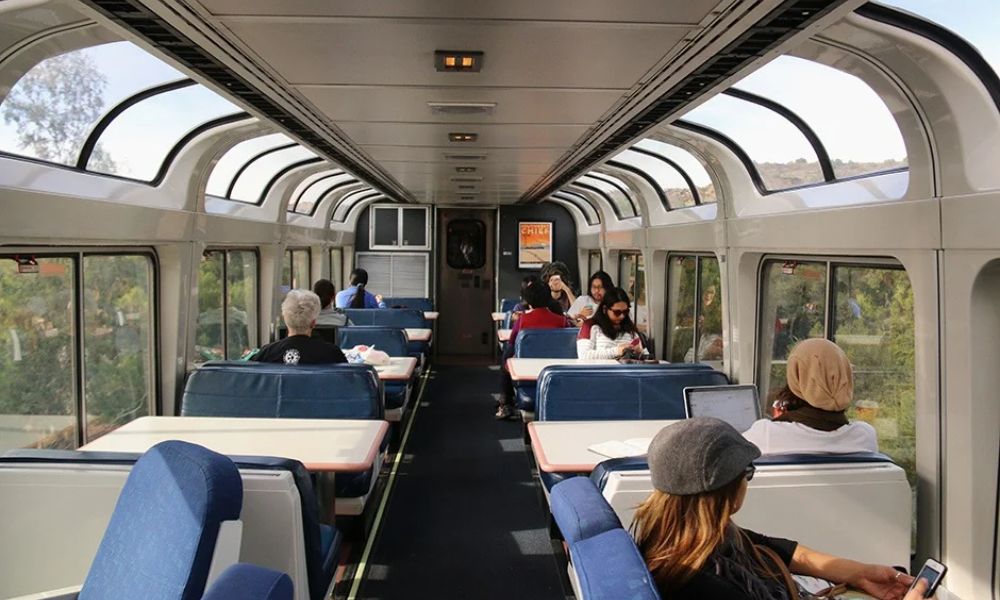
Traveling to a new destination can be an exciting experience, especially when you have enough time to enjoy the journey along the way. Every type of transportation offers something different, but trains provide a special opportunity to relax and appreciate the surrounding scenery. Traveling by Train allows passengers to explore beautiful landscapes, visit interesting places, and enjoy a more peaceful travel experience.
For first-time passengers, however, preparing for tickets, luggage, seating arrangements, and station procedures can sometimes feel confusing. I have learned that traveling by Train becomes much easier when you understand the basic arrangements and prepare everything before leaving home.
1. Understand How Railway Travel Works
Before planning your first journey, it is helpful to understand how railway stations and boarding procedures operate. Most stations have ticket counters, departure displays, platform signs, waiting areas, and information desks to assist passengers. Traveling by Train becomes less stressful when you know where to find important facilities and how to check departure information.
First-time passengers should also learn how boarding announcements work and understand the information printed on their tickets. Taking a few minutes to become familiar with these arrangements can make traveling by Train more organized and enjoyable.
2. Book Your Tickets Before Departure
Booking tickets in advance is an important part of preparing for a successful journey. Popular routes can become crowded during weekends, public holidays, and vacation seasons, so waiting until the last minute may reduce your available choices. Traveling by Train becomes more convenient when you reserve your preferred seat early and confirm all the booking details.
Before purchasing a ticket, compare departure times, travel durations, prices, and available seating options. I also recommend keeping a digital copy of your reservation because traveling by Train can involve checking ticket information at different stages of the journey.
3. Arrive at the Station on Time

Time management is essential when planning a railway journey because trains generally follow fixed departure schedules. Arriving around 30 to 45 minutes before departure can give you enough time to locate your platform, check announcements, and complete boarding arrangements. Traveling by Train becomes easier when you avoid unnecessary rushing and allow extra time for unexpected delays.
Large railway stations may require even more time because passengers sometimes need to walk considerable distances between entrances and platforms. I prefer arriving early because traveling by Train feels much more comfortable when everything is organized before departure.
4. Select Comfortable Seating Arrangements
Choosing the right seat can make a significant difference, particularly when you are planning a journey that lasts several hours. Window seats are popular because passengers can enjoy views of rivers, green fields, mountains, villages, and other beautiful surroundings. Traveling by Train can be more enjoyable when your seat matches your personal preferences and comfort requirements.
Aisle seats may be more suitable for passengers who want easier access to walkways and shared facilities. Families traveling with children or elderly relatives should also consider convenient seating arrangements because traveling by Train should remain comfortable throughout the trip.
5. Organize Your Luggage and Personal Belongings
Packing properly is another important step that can improve your overall travel experience. Carrying too many unnecessary items may make boarding difficult, especially when you need to move between platforms or change trains. Traveling by Train becomes more convenient when your luggage is lightweight, organized, and easy to carry.
Keep frequently used belongings in a small personal bag so you can access them without opening your main suitcase repeatedly. Before leaving home, check that you have everything necessary because traveling by Train can become inconvenient if important documents or personal essentials are missing.
Some useful items to pack include:
- Travel tickets and identification documents.
- Comfortable clothes suitable for the weather.
- Drinking water and light snacks.
- Personal medication and basic toiletries.
- Books, headphones, or other entertainment.
- Phone chargers and a power bank.
6. Explore Station Facilities and Enjoy the Scenery

Railway stations often provide useful facilities that can make waiting and boarding more comfortable. Depending on the location, you may find restaurants, waiting rooms, restrooms, shops, luggage storage areas, and information counters. Traveling by Train becomes easier when you know where these facilities are located before your departure.
It is also worth checking the station map if you are visiting a large transportation hub for the first time. Once you are comfortably seated, traveling by Train gives you an excellent opportunity to enjoy changing landscapes, photograph beautiful views where permitted, and appreciate the journey itself.
7. Follow Safety Precautions Throughout the Journey
Personal safety should always remain a priority when visiting unfamiliar stations or traveling through crowded areas. Keep your phone, wallet, passport, and other valuable belongings in secure places, and avoid leaving luggage unattended. Traveling by Train can be a relaxing experience when passengers remain aware of their surroundings and follow basic safety practices. For more inspiration, read about the charms of travelling by train and discover why scenic railway journeys can make travel more memorable.
Pay attention to official announcements, follow railway staff instructions, and learn where assistance points are located. If you are traveling alone, sharing your itinerary with someone you trust is also a sensible precaution. These habits help make traveling by Train safer and more comfortable.
8. Prepare for Long Journeys and Make Better Memories
Long-distance journeys require additional preparation because passengers may spend several hours on board. Comfortable clothing, light snacks, drinking water, necessary medication, and entertainment can make a noticeable difference. Traveling by Train over long distances becomes more enjoyable when you understand the available facilities and prepare according to your personal needs. Traveling with Mobility Challenges can be easier with proper planning, accessible transportation, and the right travel support.
Some trains offer dining services, charging points, Wi-Fi, reclining seats, and sleeping compartments, although facilities vary between railway companies. I have learned that traveling by Train is not only about reaching a destination but also about enjoying the small experiences and beautiful moments along the way.
9. Ten Helpful Tips for First-Time Passengers

A little preparation can prevent common travel mistakes and make your first journey easier. These practical suggestions can help passengers stay organized, manage their belongings, and enjoy a comfortable experience from departure to arrival.
- Check Your Schedule: Confirm your departure time and platform information before leaving home.
- Keep Tickets Accessible: Save a digital copy of your ticket and keep a screenshot available.
- Travel Light: Carry only necessary belongings to make moving around easier.
- Charge Your Devices: Fully charge your phone and carry a power bank if needed.
- Carry Drinking Water: Bring enough water and light refreshments for the journey.
- Wear Comfortable Clothing: Choose clothes suitable for the weather and journey duration.
- Protect Your Valuables: Keep your wallet, phone, and important documents secure.
- Follow Station Signs: Pay attention to platform displays and official announcements.
- Respect Other Passengers: Maintain cleanliness and keep noise levels low.
- Plan Train Connections: Allow enough time if your journey requires changing trains.
10. Frequently Asked Questions
1. Is train travel suitable for first-time passengers?
Yes. Train travel can be a convenient option for beginners because many stations provide signs, announcements, and staff assistance.
2. How early should I arrive at a railway station?
Arriving 30 to 45 minutes before departure is a useful general guideline. Larger stations may require additional time.
3. What should I carry during a train journey?
Carry your ticket, identification, phone, wallet, drinking water, snacks, medication, and other essential personal belongings.
4. Are window seats better than aisle seats?
Window seats provide scenic views, while aisle seats offer easier movement and convenient access to shared facilities.
5. Can passengers bring their own food?
Many railway services allow passengers to carry their own food and drinks. However, checking the railway company’s rules beforehand is recommended.
6. How can I keep my luggage safe?
Use designated luggage storage areas, keep valuables close, and avoid leaving your bags unattended.
7. Is train travel comfortable for children?
Yes. Families can enjoy railway journeys by choosing suitable seats, carrying snacks, and bringing entertainment for children.
8. What should I do if I miss my scheduled train?
Contact railway staff immediately and ask about available alternatives. Depending on your ticket conditions, you may need to arrange another departure.
9. What facilities are available on long-distance trains?
Depending on the railway service, passengers may find dining facilities, restrooms, charging points, reclining seats, and sleeping compartments.
10. How can I make my first journey memorable?
Plan ahead, choose comfortable seating, pack essential belongings, and take time to enjoy the surrounding scenery.
11. Conclusion
Every journey offers an opportunity to discover new places, experience different surroundings, and create wonderful memories. Proper preparation can make a significant difference, especially when you are visiting an unfamiliar destination for the first time. Traveling by Train offers a unique combination of comfort, beautiful scenery, and opportunities to enjoy the journey at a relaxed pace.
From booking tickets and organizing luggage to choosing suitable seats and following safety precautions, every small detail contributes to a better experience. With patience and preparation, traveling by Train can become a memorable part of your travel adventures.
